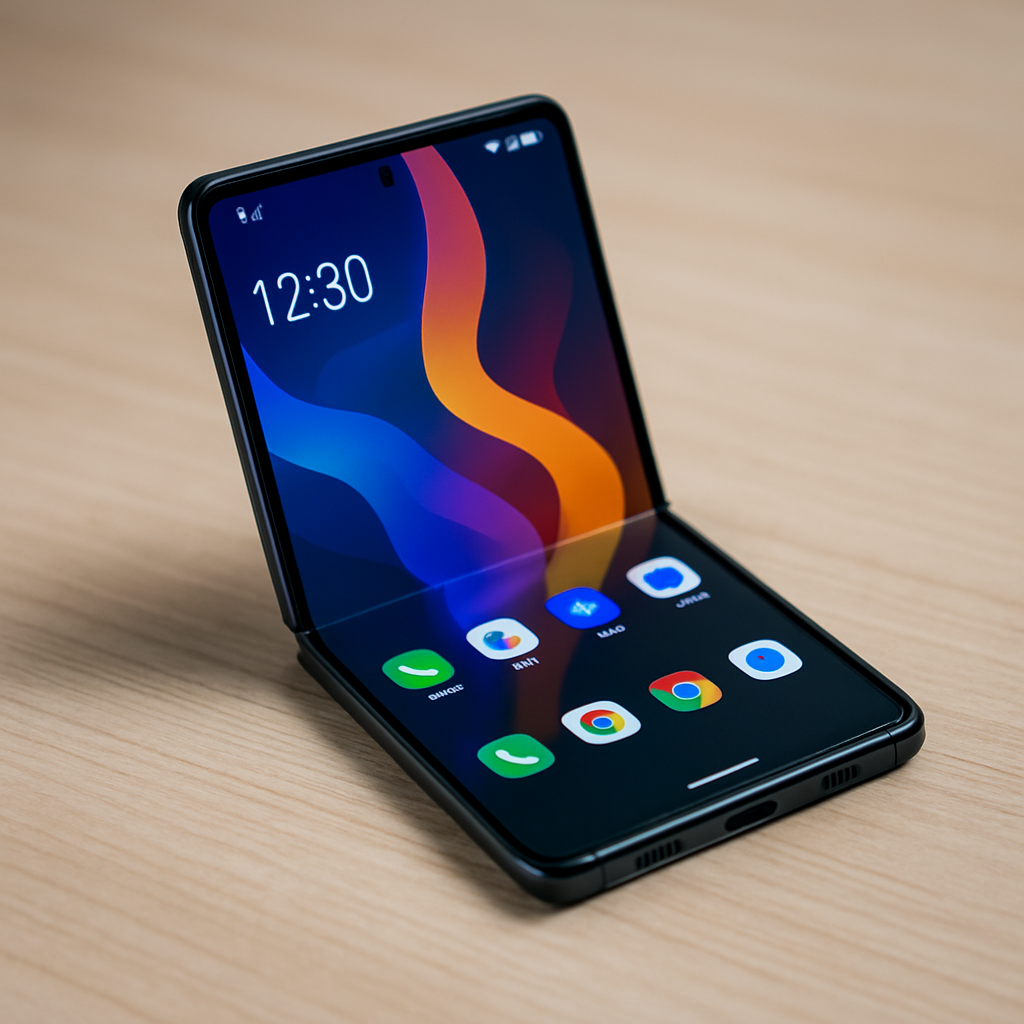
Foldable Phones Are Quietly Transforming How We Live
July 20, 2025 — Foldable phones have come a long way since their early, error‑prone days. Once seen as fragile novelties, the newest models from Samsung and others are proving to be tough, elegant, and genuinely useful in everyday life. These devices offer a large screen that folds neatly into a compact size, combining convenience and productivity without calling too much attention.
The Galaxy Z Fold 7 opens into a generous eight‑inch display that makes reading, drawing, and multitasking feel natural. When folded, it slips easily into a pocket. The Z Flip 7, with its clamshell design and compact build, fits into even the smallest purse. Sales of both models have been solid, and their appeal stretches beyond early adopters. Consumers are getting smartphones that adapt to daily needs rather than forcing users to adapt to screens.
Using these phones, people find that writing emails, editing photos, or watching videos all become smoother experiences. Instead of switching between apps, users can have two open windows side by side — one for notes, one for browser. It helps in busy moments, like checking a recipe while sending a message, or reviewing a document on the go.
Foldables are also opening creative doors. Artists appreciate the large, pen‑friendly screens for digital sketching, while gamers enjoy immersive play on a bigger display. Pocket‑sized cameras with full previews make framing shots easier. There’s also a nostalgic element: flip phones from the early 2000s held their own charm, and modern foldables bring that feeling back, but with modern power.
Under the hood, the latest models are faster, slimmer, and stronger than ever. Engineers have refined the folding mechanism so that it remains smooth after thousands of uses. New materials resist dents and creases, and enhanced batteries help these phones last all day. Features like AI‑assisted camera modes and fold‑aware app layouts display next‑level software that learns to adapt in real time.
Research firms suggest foldable device adoption will grow nearly fifty percent each year through 2029. More brands are now releasing their versions, adding pressure to compete on quality and price. Earlier concerns about durability and high costs are fading as manufacturers prove these gadgets work in real‑life settings.
Even so, these phones aren’t perfect for everyone. They can be more fragile than traditional phones, and repairs may cost more. Some apps still don’t make full use of the foldable screen. But for users who push their phone beyond basic use — like reading long articles, traveling, or creative work — foldables bring a new balance between size and power.
Ultimately, foldable phones aren’t a fad. They mark a turning point in mobile design, challenging the old idea that a phone must be a single rigid slab. As they improve in strength, style, and affordability, they hint at a future where screens bend to meet our needs — while staying close to our palms.
Foldable phones won’t suit everyone yet, but their steady rise shows one thing clearly: our gadgets are adapting to the way we live. And for many of us, that’s a fold in the right direction.
— RTOS Logics News Desk
📬 Stay Updated!
Subscribe to receive the latest embedded & RTOS blog updates in your inbox.